THE VBP Blog
America Wants Equity. VBP in Healthcare Can Deliver
Better access for underserved communities should be part of what states pay health plans to deliver.

November 12, 2026 – The midterm elections brought significant firsts in representation. Keisha Lance Bottoms in Georgia and Deb Haaland in New Mexico became the first Black woman and the first Native American woman elected governor, respectively. Minnesota elected Peggy Flanagan, the first Native American woman elected to the U.S. Senate. These victories deserve recognition.
I take these results as a call to renew our commitment to equity and diversity. People voted for many reasons, of course, but those of us working in healthcare have a responsibility to consider what greater representation should mean for the people we serve. For me, it starts with whether someone can actually get care, particularly when disability, language, or where they live makes that harder.
Older adults with disabilities who rely on long-term services and supports (LTSS) should benefit from that commitment. States should expect health plans to develop value-based payment (VBP) programs that improve access and help people remain in their communities. Those programs should account for cultural preferences and the practical difficulties participants face in getting the services they need.
We already choose what earns an incentive payment and which providers get funding to try something different. I want those choices to reflect the people enrolled in the program. Ask a health plan how its VBP contracts help someone who has waited weeks for home care or cannot find a provider who can communicate with them. The answer ought to include a funded service and someone responsible for delivering it. A general commitment to equity will not get that person the help they need.
Start With the Person
An older person may be managing diabetes, kidney disease, arthritis, and depression while needing assistance with bathing, meals, and transportation. A program that measures only blood sugar or hospital admissions can miss the barriers that determine whether that person receives adequate care.
An appointment is of little use if the person cannot get onto the examination table or find an accessible ride. Instructions will not help if they cannot be understood. And a home care authorization means little when no worker is available. Payment programs can help providers address these problems, provided we are willing to pay for the work involved.
We also need to ask participants who they want involved in their care and how they prefer to communicate. A community organization may know why someone has stopped answering the health plan’s calls. The direct care worker who visits every morning may notice difficulty with a routine long before it comes up at an appointment. These people have knowledge that claims data will never give us. I would like to see more VBP arrangements pay for their involvement and make it easier for them to get a concern addressed.
What Co-occurring Conditions Tell Us
The research gives us a place to start, although it does not tell us what any one person needs. Race and ethnicity cannot tell us a participant’s diagnosis, preferred language, or family situation. We also need to be careful about the populations being studied: findings about adults generally are not estimates of how common these conditions are among older LTSS participants.
For Black older adults with disabilities, hypertension, diabetes, and mobility-limiting arthritis warrant attention. Census research among adults 40 and older found higher levels of disability associated with these conditions among Black than White adults. NIA also identifies vascular conditions and healthcare barriers as contributors to dementia disparities affecting Black and Hispanic Americans. Care should connect chronic disease management with mobility support and, when indicated, cognitive assessment.
For Hispanic and Latino older adults, diabetes alongside hypertension or kidney disease deserves attention. Census findings identify disparities in disability associated with diabetes and hypertension. NIDDK reports higher rates of diabetes-related kidney disease among Hispanic, Black, and American Indian populations. A program could pair kidney monitoring with needed language assistance, medication support, and nutrition counseling that respects food preferences.
American Indian and Alaska Native communities face a disproportionate diabetes burden, including kidney, cardiovascular, and nerve complications. States and plans should work with tribal health organizations and older adults to design services, including transportation and home support where access is limited. Those partnerships must respect tribal sovereignty and differences among communities.
Asian American populations should not be treated as one clinical category. CDC found substantial differences in diabetes prevalence, with higher rates among Filipino and Indian adults than several other Asian subgroups. Native Hawaiian and Pacific Islander populations also warrant separate attention; federal data identify disproportionate diabetes mortality. These findings can guide outreach to older adults with diabetes and cardiovascular or kidney disease. Individual needs must determine care.
Pain, depression, changes in cognition, and hearing or vision loss also deserve attention across communities, including among White older adults. These needs can complicate an existing disability and affect whether a person can manage at home. Eligibility for a service should follow the individual assessment. Looking at racial and ethnic differences helps us find people we may be missing and understand why they are not getting appropriate care.
A state or plan developing a program should begin by talking with older adults who live with these conditions and the providers who serve them. Where does care break down? What help is needed but cannot currently be paid for? For someone with diabetes and limited mobility, meal preparation may need as much attention as the next clinical appointment. For someone with cognitive impairment, a familiar worker and support for the family caregiver may make it possible to continue living at home. Those conversations should help determine what the program funds and how it measures success.
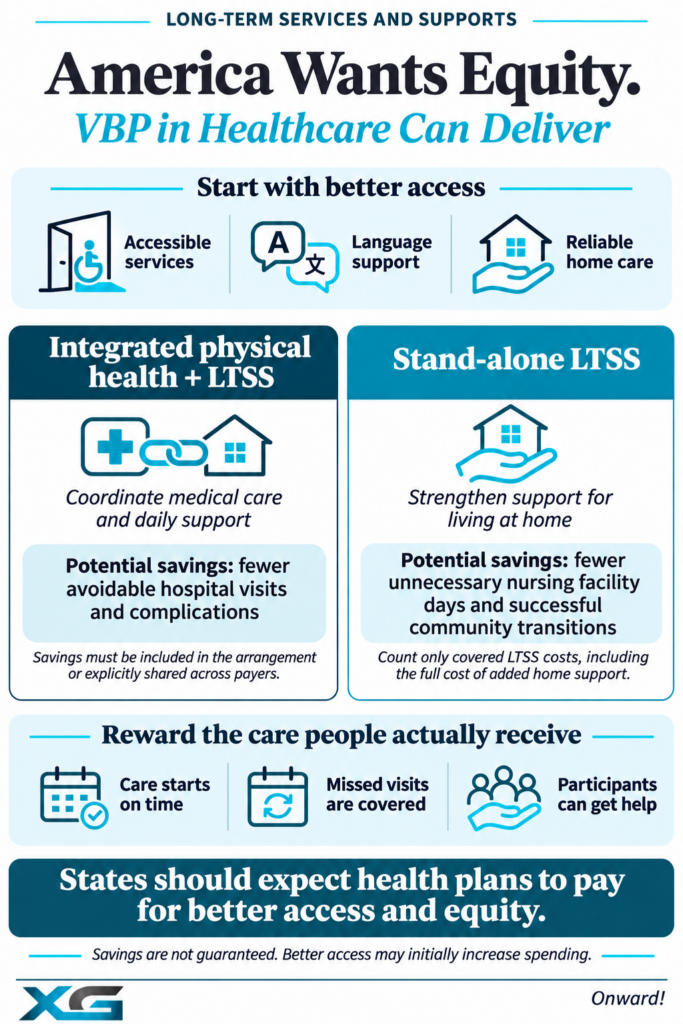
Access Should Be Part of the Payment
Take a hypothetical older adult who uses a wheelchair, has diabetes and kidney disease, and prefers to discuss healthcare in Spanish. The specialist referral is only the beginning. Someone needs to arrange accessible transportation and a qualified interpreter. At home, the participant may need help preparing meals. If that worker does not arrive, a well-written care plan will not solve the problem or ensure they get the care they need.
An integrated VBP arrangement could pay the primary care team, specialist, home care agency, and community partner to work through those problems together. The incentive might depend on whether follow-up actually occurred and whether personal assistance was delivered reliably. The participant’s own goals should count, too. Clinical targets need to fit the person’s health and functional status, rather than apply uniformly to everyone with the same diagnosis.
Providers need adequate rates and money upfront to do this work. A small community agency cannot be expected to carry the cost for a year while waiting to learn whether it earned a bonus.
California’s own 2025 HCBS Gap Analysis identifies additional weaknesses. DHCS found that the population is aging particularly quickly in areas where HCBS access is already limited, institutional LTSS use is higher in rural areas, and the state will need more HCBS providers to meet future demand. Direct care workers were identified as the largest workforce need. The analysis also emphasizes disparities in access and the administrative difficulty consumers face navigating multiple programs.
There are encouraging signs within CalAIM. By the third quarter of 2025, nearly 191,000 Medi-Cal members were using at least one Community Support during the quarter. DHCS has also reported preliminary cost reductions associated with services intended to keep people out of higher-cost settings, including assisted living transitions, community or home transition services, respite, and home modifications.
Still, Community Supports are not a replacement for a comprehensive HCBS system. Availability varies by plan and service, and the core question remains whether consumers can move smoothly from institutional care to the ongoing services they need at home.
Whose Savings Are We Talking About?
Treating co-occurring conditions may reduce emergency visits, hospitalizations, or complications. Those medical savings support an LTSS VBP business case only when physical health and LTSS financing are integrated, or an explicit agreement shares savings across payers. For dual-eligible participants, Medicare must be included. Coordination by itself does not bring hospital savings into an LTSS-only budget. CMS’s Financial Alignment Initiative shows why the financing matters.
There is still work worth funding in a stand-alone LTSS program. The savings calculation must stay within the services the program pays for. I would look at the following areas:
One is preventing avoidable nursing facility admission. A participant with dementia and mobility limitations may be able to stay safely at home with timely personal assistance, respite, and caregiver training in the family’s preferred language. Community partners can help reach families who have had difficulty obtaining those services. If that support prevents an unnecessary placement, the LTSS savings would come from the nursing facility days avoided, after accounting for the added cost of care at home.
Another is helping someone return home from a nursing facility. A participant may want to leave but still be waiting for accessible housing, a home modification, or a reliable personal assistance schedule. Transition staff who understand the person’s circumstances and can communicate effectively with the family can help resolve those barriers. CMS’s Money Follows the Person program supports this kind of transition. A VBP arrangement could reward a successful return to community living and continued support there, counting the full community service package when calculating savings.
I would also look at the reliability of existing home services. Starting care promptly, providing backup when a worker is absent, and making reassessments accessible can help prevent a home arrangement from falling apart. This matters for underserved participants with arthritis, sensory loss, or cognitive limitations who may have difficulty getting a problem resolved. Reward the provider for dependable support and progress toward the participant’s goals. To claim savings, however, the program must demonstrate lower covered LTSS costs; fewer hospital visits do not establish that.
The financial details matter. When nursing facility care is outside the LTSS contract, the avoided expense benefits a different payer or the state. The incentive needs to account for that. Better access may also increase spending at first because people finally receive services they needed all along. That can be a good outcome, even without shared savings. States can pay for better access and quality directly. Missed care, pressure on families to provide unpaid help, and denial of necessary institutional care must never be counted as savings.
The larger opportunity, however, extends beyond facilities. CalAIM has incorporated value-based payment through several mechanisms, although relatively few are specific to LTSS. The CalAIM Incentive Payment Program rewarded managed care plans for building capacity, expanding Enhanced Care Management and Community Supports, and improving quality and utilization, including in LTSS-related areas. More broadly, the state’s Quality Withhold and Incentive Program now links a portion of managed care capitation to quality and member-experience measures.
For consumers, the goal should not simply be to place more benefits under an MCO contract. Greater integration has value only if it makes access easier, strengthens transitions back to the community, and creates clearer accountability when services are unavailable. California already gives managed care plans responsibility for costly institutional care. The next challenge is ensuring those plans have both the tools and incentives to help people avoid unnecessary institutionalization in the first place.
What States Should Expect
States should put these expectations into managed care contracts and procurements. Plans should use voluntarily reported race, ethnicity, preferred language, disability, and geography to identify gaps, with appropriate privacy protections. CMS guidance explains how examining results by population can uncover differences hidden in plan averages.
Participants, disability organizations, and community providers should help design the programs. Their input should help determine whether the priority is accessible appointments, interpreters, behavioral health services, caregiver support, or reliable home care. Services should follow the participant’s needs and choices.
I would start with measures participants can recognize: how long it took for care to begin after authorization, whether a missed visit was covered, and whether a referral resulted in a completed appointment. Ask participants about their experience getting help and whether the services support the life they want at home. Then examine the results by population. An improved plan average is not enough if the same underserved groups continue to wait longer or go without care.
Contracts must identify which costs count, who receives savings, and how providers share in them. Spending comparisons need a credible, risk-adjusted benchmark and must include program costs. Access and quality standards should determine whether an incentive is earned. Risk adjustment must not hide disparities or reward avoiding people with complex needs.
The larger opportunity, however, extends beyond facilities. CalAIM has incorporated value-based payment through several mechanisms, although relatively few are specific to LTSS. The CalAIM Incentive Payment Program rewarded managed care plans for building capacity, expanding Enhanced Care Management and Community Supports, and improving quality and utilization, including in LTSS-related areas. More broadly, the state’s Quality Withhold and Incentive Program now links a portion of managed care capitation to quality and member-experience measures.
For consumers, the goal should not simply be to place more benefits under an MCO contract. Greater integration has value only if it makes access easier, strengthens transitions back to the community, and creates clearer accountability when services are unavailable. California already gives managed care plans responsibility for costly institutional care. The next challenge is ensuring those plans have both the tools and incentives to help people avoid unnecessary institutionalization in the first place.
Advocate’s Perspective
My reading of this election is clear: America wants equity and diversity. In healthcare, we have a chance to give that message substance. An older person with a disability should be able to get an appointment, be heard by the care team, and count on the help needed at home. I want our payment arrangements to make those things more likely.
States should expect health plans to fund VBP programs that reach people who have been poorly served. Providers and community organizations doing that work should share in the rewards. And when access remains a problem, the plan should have to explain what it is doing about it.
We do not have to wait until every program is fully integrated. States can make changes to today’s LTSS contracts, including incentives for more reliable home care and support for people who want to leave a facility. Plans can now pay community partners for their involvement. Providers can help choose measures that reflect what happens in people’s homes. Integration gives us more ways to align the financing, but its absence should not become an excuse to postpone improvements we can already make.
I welcome the broader representation we are seeing in public office. Now I want to see that commitment carried into the decisions about who gets care and how we pay for it. VBP gives states and health plans a way to act. They should use it.
Onward!

Free E-Book
Paying for Outcomes: The Value-Based Revolution Written by Fady Sahhar
A practical guide for payers, providers, and policymakers shaping the next generation of healthcare delivery.
Now Available for Free
DOWNLOAD NOW
Share This Blog!
Get even more insights on Linkedin & Twitter
About the Author
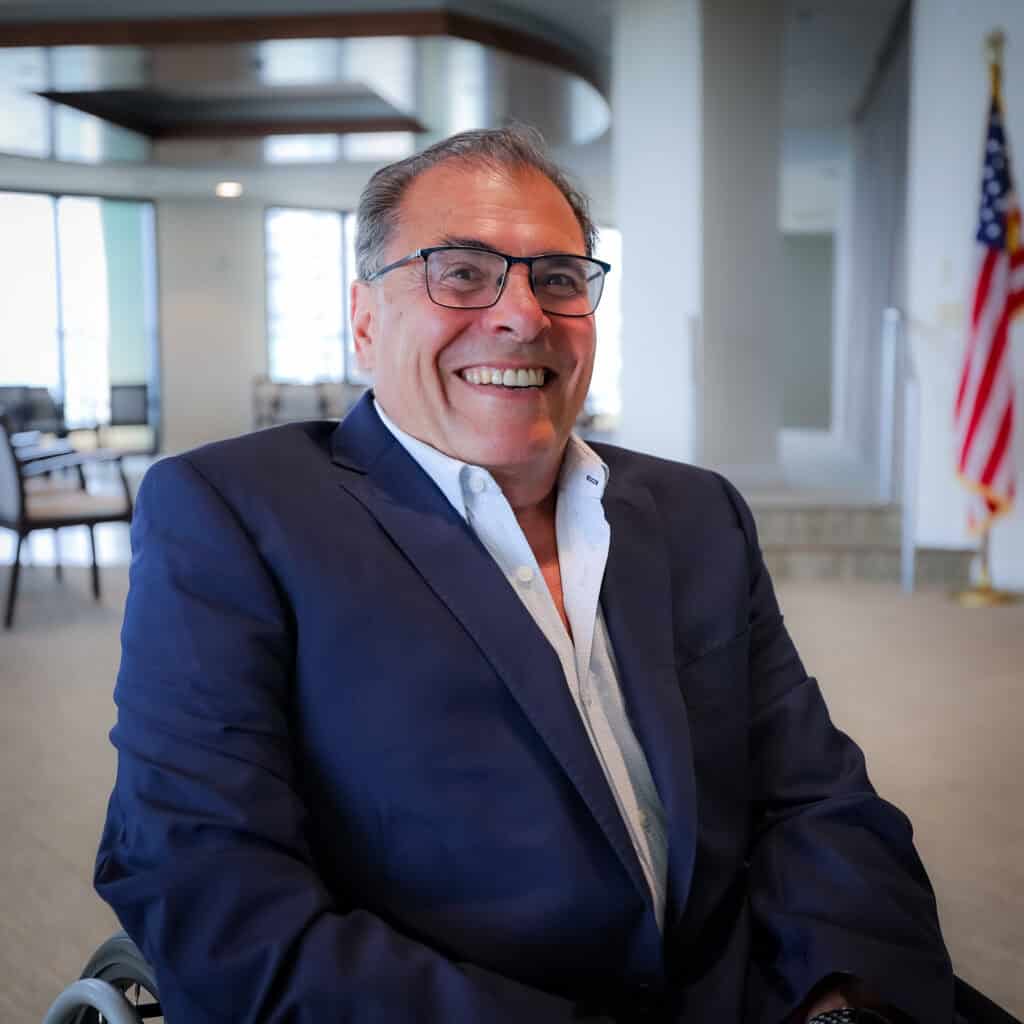
Fady Sahhar brings over 30 years of senior management experience working with major multinational companies including Sara Lee, Mobil Oil, Tenneco Packaging, Pactiv, Progressive Insurance, Transitions Optical, PPG Industries and Essilor (France).
His corporate responsibilities included new product development, strategic planning, marketing management, and global sales. He has developed a number of global communications networks, launched products in over 45 countries, and managed a number of branded patented products.
About the Co-Author
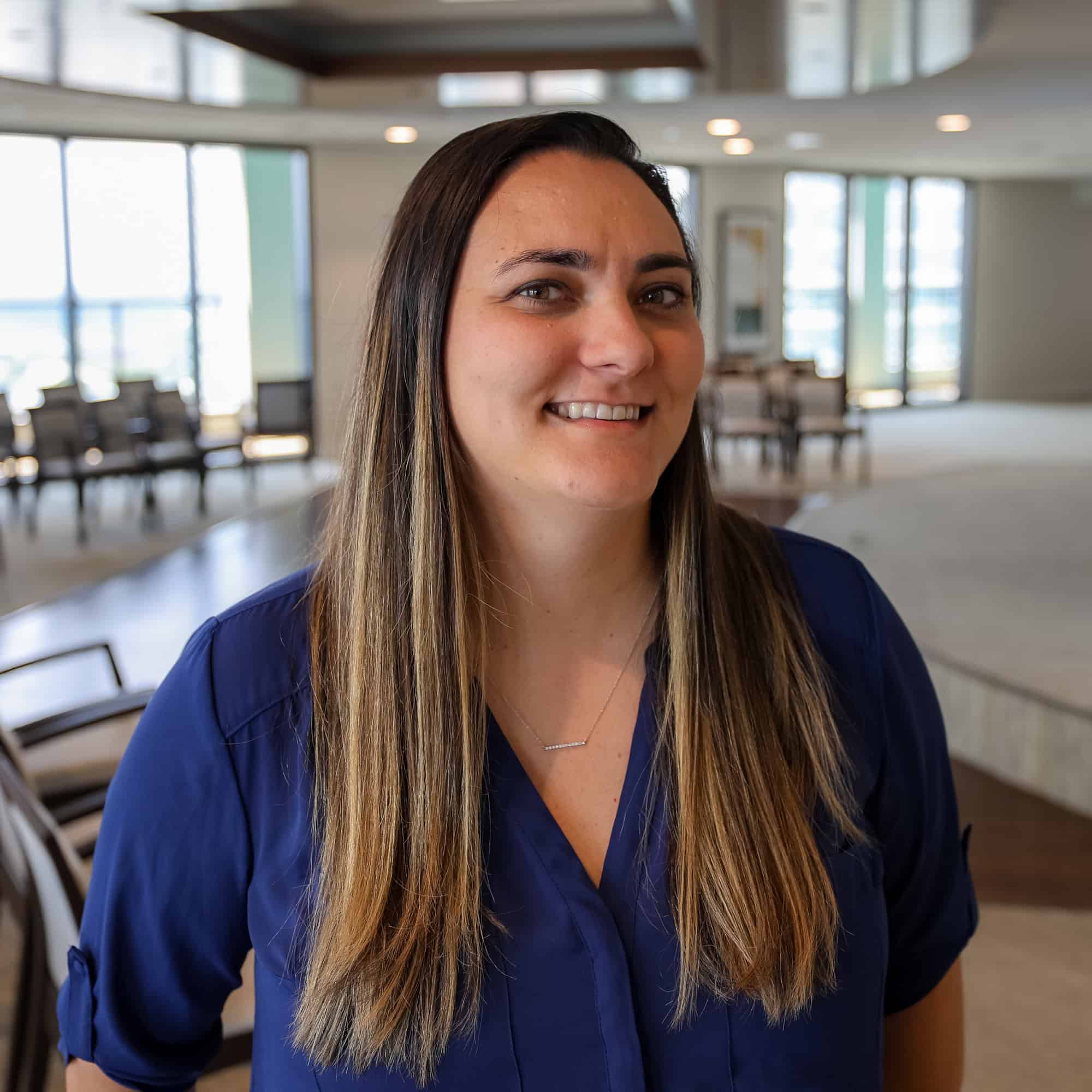
Mandy Sahhar provides experience in digital marketing, event management, and business development. Her background has allowed her to get in on the ground floor of marketing efforts including website design, content marketing, and trade show planning. Through her modern approach, she focuses on bringing businesses into the new digital age of marketing through unique approaches and focused content creation. With a passion for communications, she can bring a fresh perspective to an ever-changing industry. Mandy has an MBA with a marketing concentration from Canisius College.
Lorem ipsum dolor sit amet, consectetur adipiscing elit. Ut elit tellus, luctus nec ullamcorper mattis, pulvinar dapibus leo.