THE VBP Blog
A Look Back at 2025: Insights on Value-Based Care, LTSS, and Dual-Eligibility
XtraGlobex reflects on a year of advocacy, analysis, and innovation across value-based payment, LTSS, and dual-eligible policy through The VBP Blog, DEHQ, and Paying for Outcomes.

December 29, 2025 – This year marked a turning point for XtraGlobex. What began as a focused effort to analyze value-based payment models and long-term services and supports evolved into a broader platform for policy analysis, consumer advocacy, and health-care system design. Across The VBP Blog, the launch of Dual-Eligible Headquarters, and the publication of our first e-book, Paying for Outcomes: The Value-Based Revolution, our work this year had a goal of moving healthcare conversations beyond theory and toward accountability, equity, and real-world outcomes for people who rely on these systems every day.
Throughout the year, across our various platforms, we focused on building durable resources that help policymakers, advocates, plans, and providers understand not just what is changing in healthcare, but why it matters and who is affected when policy decisions are made. With our thought leadership, media platforms, and hands-on advocacy and advisory work, XtraGlobex helped shape conversations around HCBS sustainability, dual-eligible integration, and value-based payment design.
Let’s take a look back at the great year we had in 2025, as well as what we have to look forward to in 2026!
What We Explored Through The VBP Blog
In 2025, The VBP Blog evolved into a platform for advocacy-driven analysis, moving beyond payer-centric narratives to focus on the operational and human consequences of healthcare reform. Throughout the year, The VBP Blog analyzed how payment models, managed care structures, and federal policy decisions shape access to care. A significant portion of our work focused on long-term services and supports, particularly Managed Long-Term Services and Supports, consumer-directed programs, and the growing role of value-based payment in non-acute care settings.
We examined how program design decisions, such as assessment tools, workforce investment, fiscal intermediary structures, and care coordination requirements, can either support independence or create barriers for consumers. We also looked closely at how states are implementing MLTSS and consumer-directed programs, highlighting where models succeed, where they fall short, and what lessons can be applied across states.
The blog also addressed the broader policy environment. Several blog series focused on federal actions affecting Medicaid, Medicare, public health infrastructure, disability rights, and health equity. These pieces were intentionally grounded in real-world consequences, documenting how funding cuts, regulatory rollbacks, and administrative decisions translate into reduced access, instability, and inequitable outcomes for older adults, people with disabilities, and dual-eligible individuals.
We also returned to our roots this year with a focused series examining the Center for Medicare and Medicaid Innovation’s value-based payment models. Rather than treating these initiatives as isolated pilots, the series looked across CMMI’s portfolio to understand what worked, what fell short, and why. We explored early accountable care efforts, large-scale state innovation like Maryland’s Total Cost of Care model, and targeted reforms such as bundled payments, home health value-based purchasing, and Medicare Advantage benefit design. While results varied, clear themes emerged: models that aligned incentives, supported care coordination, and allowed flexibility for community-based care were more likely to improve outcomes and control costs. At the same time, the series underscored a persistent gap, with long-term services and supports largely excluded from value-based frameworks. The series concluded by examining how lessons from CMMI’s strongest models could inform more equitable, person-centered approaches to LTSS.
Launching Dual-Eligible Headquarters
This year also marked the launch of Dual-Eligible Headquarters, or DEHQ, a centralized platform designed to address a persistent gap in healthcare policy conversations. Dual-eligible individuals sit at the intersection of Medicare and Medicaid, yet too often they are treated as an afterthought in payment reform, managed care design, and value-based initiatives. It is clear that integration fails when delivery systems are treated as an afterthought, and highlights why delivery ecosystems must be designed with, not for, HCBS providers
DEHQ was built to shift that narrative and bring clarity to a fragmented landscape. Through dual-eligible state profiles, we began cataloging how states structure coverage, integrate benefits, and design managed care programs for this population. These profiles are intended to be practical tools, offering side-by-side insights into eligibility pathways, delivery models, and integration approaches that are often difficult to compare across states.
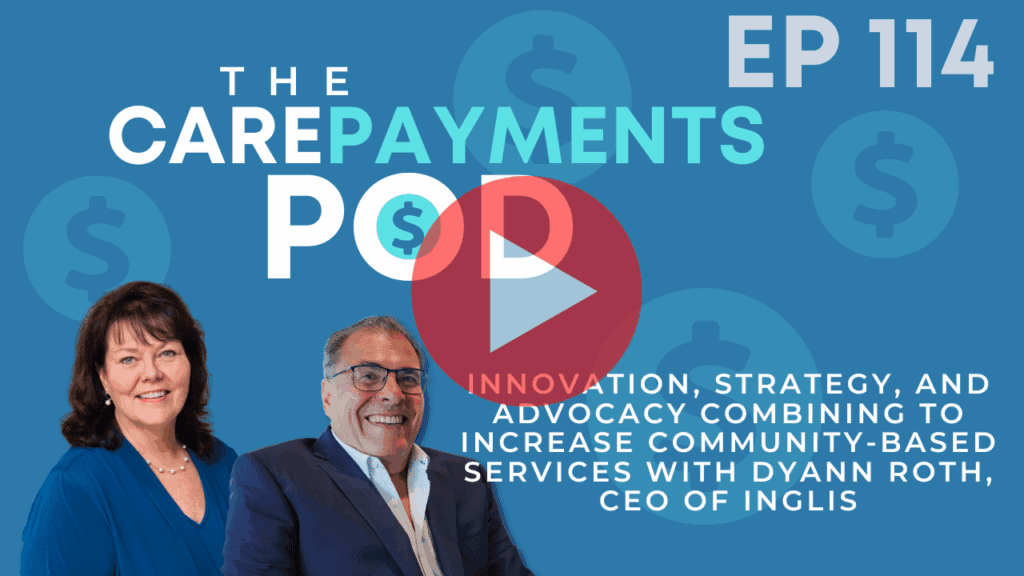
The platform also includes The CarePayments Pod, a podcast focused on how care is paid for, how incentives shape behavior, and why payment reform cannot be separated from equity and access. The podcast provide real-world thoughts on the dual-eligible landscape, rather than abstract theory, and helped normalize conversations around financial risk, solvency, and operational transparency, which are topics often avoided in traditional Medicaid discourse.
DEHQ also launched a regular newsletter to help make dual-eligible policy and system changes more accessible and actionable. The DEHQ newsletters provide timely insights on Medicare and Medicaid integration, state-level developments, and emerging payment and care delivery trends, translating complex policy updates into clear takeaways for advocates, policymakers, and organizations working with dual-eligible populations.
Together, these resources are meant to support more informed decision-making by advocates, policymakers, and organizations working with dual-eligible populations.
From Thought Leadership to Action
Beyond publishing informative content and platform-building, 2025 was a year of direct action and national engagement for XtraGlobex. The firm presented at two national conferences, Advancing States and ANCOR, bringing provider and advocate perspectives into policy-focused spaces that too often center payer or administrative priorities.
XtraGlobex also worked closely with clients to operationalize value-based care in practice. Over the course of the year, we negotiated more than ten value-based payment arrangements, supporting providers and organizations in assessing risk, structuring contracts, and aligning incentives in ways that promote sustainability rather than erosion. In parallel, XtraGlobex prepared and supported multiple RFP responses for organizations that value consumers and their healthcare experiences.
This work coincided with continued growth of XtraGlobex as a certified Women’s Business Enterprise. Expanding the firm’s WBE footprint reflects a broader commitment to equity, representation, and leadership diversity in healthcare consulting and policy environments where those voices remain underrepresented.
In addition, we also published Paying for Outcomes: The Value-Based Revolution, a culmination of the years of thought-leadership and advocacy work XtraGlobex has undertaken. The book reflects years of analysis across value-based payment models, including bundled payments, accountable care, capitation, and alternative payment arrangements. But more importantly, it reframes value-based care through the lens of consumers and communities rather than cost containment alone. Paying for Outcomes is not positioned as an endpoint, but as a foundation. It reflects where the healthcare system has been, what has worked, what has failed, and what must change if value-based care is going to live up to its promise.
Looking Ahead
Taken together, this year’s work represents an effort to build infrastructure for better conversations about healthcare reform. As Medicaid transformation, Medicare reform, and dual-eligible integration efforts accelerate, XtraGlobex enters 2026 positioned not simply as an analyst of change, but as an active advocate for better design. Our work will continue to challenge assumptions, surface unintended consequences, and elevate consumer voices that are too often excluded from reform conversations. Whether through policy analysis, platform-building, contract negotiation, or national convening, XtraGlobex remains focused on advancing value-based care models that are financially honest, operationally viable, and grounded in dignity, access, and real-world outcomes. The pace of change is accelerating. Our commitment is to ensure that reform works not just in theory, but in practice, for the people and systems it is meant to serve.
The healthcare system is changing quickly. Our commitment is to make sure those changes are examined critically, communicated clearly, and grounded in outcomes that actually matter.
Onward!

Free E-Book
Paying for Outcomes: The Value-Based Revolution Written by Fady Sahhar
A practical guide for payers, providers, and policymakers shaping the next generation of healthcare delivery.
Now Available for Free
DOWNLOAD NOW
Share This Blog!
Get even more insights on Linkedin & Twitter

About the Author
Fady Sahhar brings over 30 years of senior management experience working with major multinational companies including Sara Lee, Mobil Oil, Tenneco Packaging, Pactiv, Progressive Insurance, Transitions Optical, PPG Industries and Essilor (France).
His corporate responsibilities included new product development, strategic planning, marketing management, and global sales. He has developed a number of global communications networks, launched products in over 45 countries, and managed a number of branded patented products.

About the Co-Author
Mandy Sahhar provides experience in digital marketing, event management, and business development. Her background has allowed her to get in on the ground floor of marketing efforts including website design, content marketing, and trade show planning. Through her modern approach, she focuses on bringing businesses into the new digital age of marketing through unique approaches and focused content creation. With a passion for communications, she can bring a fresh perspective to an ever-changing industry. Mandy has an MBA with a marketing concentration from Canisius College.
Lorem ipsum dolor sit amet, consectetur adipiscing elit. Ut elit tellus, luctus nec ullamcorper mattis, pulvinar dapibus leo.