THE VBP Blog
Pennsylvania MLTSS: What the State Gets Right and Where the Model Still Falls Short
How Pennsylvania structures access, coordination, and long-term services through Community HealthChoices

July 18, 2026 – Pennsylvania is an important state to watch in any discussion of managed long-term services and supports (MLTSS) because its MLTSS model, Community HealthChoices (CHC), is built around two distinct but often overlapping populations. The first includes dual-eligible participants who are enrolled in both Medicare and Pennsylvania Medical Assistance. The second includes people who qualify for Medicaid-funded long-term services and supports because they need the level of care typically provided in a nursing facility.
Through CHC, Pennsylvania brings these populations into a mandatory managed care structure designed to coordinate physical health services and LTSS while supporting more people in their homes and communities. That gives the state an opportunity to address both Medicare and Medicaid fragmentation for dual-eligible participants and the ongoing care needs of people who rely on daily supports. That makes Pennsylvania a useful example for MLTSS models, and we will further explore this throughout the blog.
What CHC Is and Who It Is Meant to Serve
Community HealthChoices is Pennsylvania’s managed care program for adults with significant long-term care needs, or dual eligibles regardless of LTSS needs. Despite, individuals with IDD that are receiving services through Pennsylvania’s Office of Developmental Programs being excluded, the program still has over 400,000 individuals enrolled. It is designed to coordinate coverage and services for people who need help with Activities of Daily Living and ongoing supports, while also emphasizing the state’s larger goal of serving more people in their homes and communities rather than in facilities. From a consumer perspective, that kind of coordination can be a real strength if it makes services easier to understand and easier to navigate.
Pennsylvania is also fairly specific about who CHC is meant to serve. The state says people may be enrolled if they are age 21 or older and are dually eligible for Medicare and Medicaid, who are Nursing Facility Clinically Eligible. Pennsylvania also allows some adults age 55 and older who meet nursing facility level of care and other requirements to choose the LIFE program instead, though the remain enrolled in CHC unless voluntarily selecting to move to the LIFE program. Over 300,000 participants in CHC are Nursing Facility Ineligible, however, the CHC coordinate their medical coverage.
How People Enter the Program
Pennsylvania’s entry process into Community HealthChoices is more centralized than Florida’s, but it still requires consumers to move through several steps before services begin. Those applying for LTSS, start with the Pennsylvania Independent Enrollment Broker, which helps applicants begin the eligibility and enrollment process for CHC waiver services, the LIFE program, and certain other long-term care pathways. People can also apply for benefits through COMPASS or contact the CHC helpline, but the Independent Enrollment Broker remains a key entry point for individuals. An in-person assessment is scheduled and the count assistance office (CAO) will review the submitted Medicaid application. Once those steps are completed and an individual is deemed eligible, will they be notified and be assigned a CHC plan.
This structure has both strengths and limitations. Pennsylvania does well by offering a more defined and centralized front door than some states, which can make the process easier to locate and begin. At the same time, consumers still may have to navigate multiple entities. For people already dealing with disability, aging, or caregiver stress, that can still feel like a lot of handoffs before care is in place.
What Pennsylvania’s Model Gets Right and Where It Still Falls Short
Pennsylvania’s model gets several important things right. Community HealthChoices is built to coordinate long-term services and supports and physical health under one managed care structure for people with complex needs, rather than leaving those services in separate silos. Pennsylvania also frames CHC around serving more people in communities rather than facilities, which is important for those trying to remain living independently in the community. At least on paper, the program is trying to do more than manage costs. It is trying to support quality of life, independence, and the ability to remain at home when that is possible and preferred.
Another benefit the CHC brings to the table is the wide range of services it offers. This includes various therapies, employment services, and community integration supports. However, these services are not used extensively, and thus beneficiaries are not getting all that the program has to offer.
Pennsylvania also does a relatively good job creating a visible accountability structure around CHC. The state publicly posts CHC materials, managed care quality strategy documents, annual technical reports, and an evaluation plan that looks at access to long-term care, care coordination, quality of care, and quality of life. That level of visibility is meaningful because it suggests the state is not treating MLTSS as a black box. Consumers, advocates, and providers can see the framework the state is using to judge whether CHC is working and allows participants to choose an MCO if they prefer. For some consumers, that creates a better opportunity to compare plans and choose the one that best fits their providers or service needs.
At the same time, Pennsylvania’s model still falls short in ways that matter to consumers. CHC is mandatory for many of the populations it serves, which means people do not get to choose whether managed care is the right delivery system for them in the first place. They may be able to choose among plans, but they are still entering a system that the state has already selected for them. That can be frustrating for people who are already comfortable with existing providers or who worry that managed care will add another layer of rules, approvals, or plan administration between them and the services they need. Consumer choice inside the program is not the same thing as consumer choice about the program itself, but this does make it more manageable and affordable.
There are also still important coordination limits within Pennsylvania’s model. Even though CHC integrates physical health and LTSS, behavioral health is still delivered through Pennsylvania’s separate Behavioral HealthChoices system. That means CHC managed care organizations are expected to coordinate with behavioral health managed care organizations rather than fully managing those services under one program. For consumers with serious behavioral health needs on top of long-term care needs, that can still leave a major part of care coordination split across systems.
How Value-Based Payment Sets Pennsylvania’s Model Apart
Value-based payment (VBP) is one of the more distinctive features of Pennsylvania’s Community HealthChoices program. Under the 2026 CHC agreement, MCOs must spend 15% of the medical portion of risk-adjusted capitation through VBP arrangements and 25% of LTSS payments through VBP. On top of this, at least 10% of total LTSS spending must also be tied to medium- or high-risk models, such as shared savings, shared risk, bundled payments, or global payments.
CHC plans must also submit annual VBP plans, provide progress reports, and identify the providers, payment models, and dollars counted toward the targets. This seems good in theory, but it does not work in reality. Most VBP programs are highly concentrated in large providers and very few programs are actually in the higher risk range. To combat this, the state is conducting a creative VBP project using the “shark tank” approach in collaboration with the National MLTSS Association. Though that is still in the early stages.
Pennsylvania has built a more structured and enforceable VBP framework than many MLTSS programs. However, meeting a spending threshold does not automatically prove that consumers are receiving better care. External quality review materials show that plans are using VBP-related improvement efforts around care transitions, person-centered planning, and coordination after hospital stays, but they also identify continued opportunities to improve LTSS performance.
The Next Evolution of Community HealthChoices
Pennsylvania is now considering the next phase of Community HealthChoices. On June 1, 2026, the Department of Human Services released a Request for Information (RFI) for reprocurement of CHC managed care organizations.
As we move to the next phase of CHC, it is important to consider ways the program can improve. Stakeholders have emphasized that greater consistency across CHC plans should be a central priority. Assessments, service authorizations, person-centered planning, provider communication, and access to covered benefits can vary depending on the MCO involved. The next procurement could establish clearer statewide standards, stronger training requirements for service coordinators, and public reporting on service timeliness, participant satisfaction, network adequacy, transportation, home modifications, and durable medical equipment.
Participant choice and provider capacity are also closely connected to consumer experience. Stakeholders recommend preserving both self-directed and agency-delivered personal assistance models so individuals can choose the structure that best fits their needs. They also argue that workforce stability should be treated as a participant outcome because a provider directory does not represent meaningful access when agencies lack enough workers to accept referrals or deliver authorized services. More consistent authorization processes, sustainable reimbursement, and timely access to personal assistance, transportation, housing supports, assistive technology, and home adaptations could make CHC work better in daily life.
The reprocurement also creates an opportunity to strengthen value-based purchasing. Stakeholders support moving beyond limited pay-for-performance arrangements, but they want incentives tied to outcomes rather than cost reduction alone. The next version of CHC should be judged by whether these changes make care more reliable, person-centered, and easier to navigate.
Advocate’s Perspective
Pennsylvania’s MLTSS model, Community HealthChoices, has important strengths, including integrated physical health and LTSS, a focus on community living, and clear value-based payment requirements. But VBP targets only matter if they lead to timely services, better care transitions, stronger person-centered planning, and fewer gaps in support. Consumers should not have to navigate multiple systems or experience delays while plans meet financial benchmarks on paper. The real test is whether people feel supported, can keep trusted providers, understand who is responsible for their care, and are able to remain safely and independently in the community. Pennsylvania has built a strong framework, but as we move to the next iteration of CHC, continued transparency and clear evidence of better consumer outcomes are still needed.
Onward!

Free E-Book
Paying for Outcomes: The Value-Based Revolution Written by Fady Sahhar
A practical guide for payers, providers, and policymakers shaping the next generation of healthcare delivery.
Now Available for Free
DOWNLOAD NOW
Share This Blog!
Get even more insights on Linkedin & Twitter

About the Author
Fady Sahhar brings over 30 years of senior management experience working with major multinational companies including Sara Lee, Mobil Oil, Tenneco Packaging, Pactiv, Progressive Insurance, Transitions Optical, PPG Industries and Essilor (France).
His corporate responsibilities included new product development, strategic planning, marketing management, and global sales. He has developed a number of global communications networks, launched products in over 45 countries, and managed a number of branded patented products.
About the Co-Author
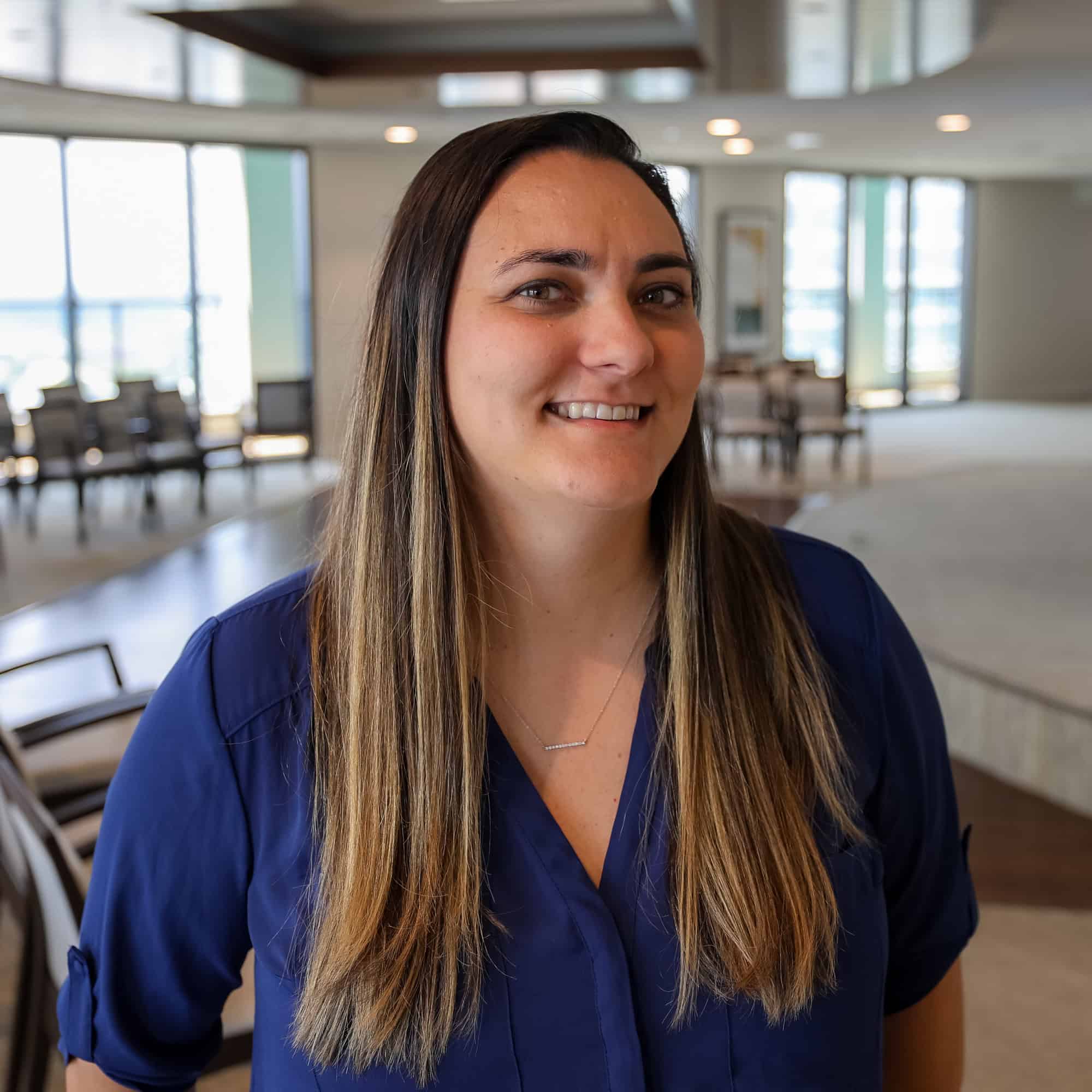
Mandy Sahhar provides experience in digital marketing, event management, and business development. Her background has allowed her to get in on the ground floor of marketing efforts including website design, content marketing, and trade show planning. Through her modern approach, she focuses on bringing businesses into the new digital age of marketing through unique approaches and focused content creation. With a passion for communications, she can bring a fresh perspective to an ever-changing industry. Mandy has an MBA with a marketing concentration from Canisius College.
Lorem ipsum dolor sit amet, consectetur adipiscing elit. Ut elit tellus, luctus nec ullamcorper mattis, pulvinar dapibus leo.