THE VBP Blog
How States Structure MLTSS Programs Differently and Why It Matters
MLTSS should be understood as a framework rather than a single national model

May 7, 2026 – Once a state decides to use managed long-term services and supports, the next question is not just who the program will serve. It is how the program will be built. That distinction matters more than it may seem. The Centers for Medicare & Medicaid Services (CMS) defines managed long-term services and supports as the delivery of long-term services and supports through capitated Medicaid managed care programs, but that broad definition leaves states with considerable flexibility in designing the model.
That is why MLTSS should be understood as a framework rather than a single national model. Some states focus their programs primarily on older adults and people with physical disabilities. Others build specialized pathways for people with intellectual and developmental disabilities or try to align LTSS more closely with Medicare for dual-eligible populations. In this blog, we are going to look at the structure of MLTSS programs, and what has worked and hasn’t worked for various states.
Model Design and Intent
One of the first design choices a state makes when designing a MLTSS program is who must enroll. In some states, MLTSS is built around people who are dually eligible for Medicare and Medicaid, people who meet a nursing facility level of care, or both. Pennsylvania’s Community HealthChoices is a useful example. The program includes dual-eligible participants and people who qualify for LTSS because they need the level of care provided by a nursing facility, including people receiving LTSS at home through waiver services or in nursing facilities. Other states, like Michigan, make enrollment in MLTSS voluntary, allowing consumers to remain in their existing managed program. The kind of structure chosen tells you a lot about what the state is trying to accomplish. It is not only about managing LTSS spending but also about coordinating care for populations with especially complex needs.
Another key decision is what services get carved into the program. Some states focus their managed model mainly on LTSS, while others try to bring more services under the same umbrella. North Carolina’s Behavioral Health and I/DD Tailored Plans show how much broader an integrated model can be. The state describes Tailored Plans as Medicaid managed care plans for people with more complex needs related to serious mental illness, severe substance use disorders, intellectual or developmental disabilities, and traumatic brain injury. These plans cover doctor visits, prescription drugs, behavioral health services, certain home and community-based services, and access to tailored care management all in one plan. In addition to that, they also integrate physical health to varying degrees. While Tailored Plans are not the same as a traditional aging-focused MLTSS model, they highlight an important point: states often create different managed care structures depending on the populations they aim to support and the coordination needed.
Integration is another dividing line. For many people who use LTSS, the biggest problem is not simply whether services are covered. It is whether anyone is responsible for helping those services work together. MACPAC notes that some states are working to align MLTSS with Medicare managed care so that dually eligible beneficiaries can receive Medicare and Medicaid services through the same entity or a closely connected structure. That kind of alignment matters because people who rely on LTSS often move between hospitals, physicians, pharmacies, behavioral health providers, home care workers, and community supports. A program that manages only one part of that picture may still leave consumers and families doing much of the coordination themselves, which is why it’s helpful to have integrated plans that also include physical health services.
States Examples of Varying MLTSS Programs
State examples show how different those structures can be. Florida’s Statewide Medicaid Managed Care (SMMC) Long-term Care Program involves multiple agencies. The Agency for Health Care Administration (AHCA) administers the SMMC program, sets coverage policy, and enrolls those eligible for services in an LTC plan. The Department of Children and Families (DCF) is responsible for determining financial eligibility for services, while the Department of Elder Affairs (DOEA) is responsible for determining medical eligibility and level of care needed. That arrangement can work, but it also shows how administrative structure affects the member experience. Even before a person begins receiving services, they may be moving through multiple agencies and steps involving screening, eligibility, and plan selection.
New York’s Managed Long Term Care program offers another variation. The state describes MLTC as a system that streamlines the delivery of long-term services and supports to people who are chronically ill or disabled and who wish to stay in their homes and communities. That language reflects a strong emphasis on rebalancing. In other words, the design is closely tied to supporting community-based living rather than relying solely on institutional care. States may use similar terminology, but their models can still differ in how much they prioritize community placement, dual-eligible coordination, or specialized populations. However, it is important to note that there is more to the NY program than the MLTC program, as there are integrated models and a carve out for the Nursing Home Transition waiver.
Tennessee’s Employment and Community First CHOICES shows yet another path. The program is administered by TennCare through contracted managed care organizations and offers services for people with intellectual and developmental disabilities to help them become employed and live as independently as possible in the community. That structure differs from a more traditional MLTSS program centered on older adults and physical disabilities, but it reinforces the same broader lesson: state design choices reflect different goals, populations, and definitions of what successful LTSS coordination should look like.
What Worked and What Didn’t
What works in MLTSS design is usually tied to the degree to which the structure supports real accountability. When enrollment categories are clear, care coordination responsibilities are explicit, and services are meaningfully organized around the member, states are better positioned to monitor quality and improve outcomes.
What tends not to work as well is assuming that managed care alone solves some of the fragmentation. A state can move LTSS into managed care and still leave people navigating multiple systems, multiple eligibility processes, and multiple disconnected benefits. MACPAC has pointed out that MLTSS introduces additional complexity due to the broad mix of services, the wide variability in beneficiary needs, and the challenges of care coordination and rate setting. That is a reminder that structure is not a technical afterthought. It is the operating reality of the whole model.
Recent federal policy also reflects the importance of oversight and access. In 2024, CMS said its Ensuring Access to Medicaid Services final rule would improve access, transparency, accountability, and monitoring across Medicaid delivery systems, including home and community-based services. The 2024 managed care final rule likewise addressed timely access, monitoring, quality, and enforcement in managed care. Those developments matter for MLTSS because they reinforce a simple truth: if states want managed LTSS to work, they have to pay close attention to access standards, plan oversight, and quality measurement. This rule encourages and moves states towards higher levels of integration, which can benefit consumers.
Applying the Model to LTSS
For LTSS policy, the biggest lesson is that structure is not neutral. A state cannot assume that moving services into managed care will automatically improve the consumer experience because it’s the details that truly matter, including:
- who must enroll
- which services are carved in
- what is the level of service coordination
- whether care management is a real operational function of the managed care organization
This is especially important in LTSS because the stakes are so practical and high. Program design affects whether a person gets assessed in a timely manner, whether the individual can remain in the community with stable supports, and how a hospital discharge leads to a safe transition home. It also affects providers, who have to operate within the contracting rules, network expectations, and reporting systems the state creates. Before states can build value-based payment (VBP) strategies on top of MLTSS, they first have to decide whether the underlying program structure supports accountability.
Advocate’s Perspective
Too often, MLTSS design choices are discussed as if they are mostly administrative. They are not. For consumers and families, structure shapes day-to-day life. For providers, structure influences network participation, administrative burden, and whether the model supports care delivery or simply adds another layer of oversight. That is why the right question is not just whether a state has MLTSS. The better question is what kind of MLTSS it has built, who it was built for, and whether its structure supports the outcomes consumers actually need. This actually speaks to the critical need to involve consumers, providers, and community stakeholders in the design process. That is also where the conversation naturally moves next. Once states have chosen a model and built the structure, the next challenge is measuring whether it is performing.
Onward!

Free E-Book
Paying for Outcomes: The Value-Based Revolution Written by Fady Sahhar
A practical guide for payers, providers, and policymakers shaping the next generation of healthcare delivery.
Now Available for Free
DOWNLOAD NOW
Share This Blog!
Get even more insights on Linkedin & Twitter

About the Author
Fady Sahhar brings over 30 years of senior management experience working with major multinational companies including Sara Lee, Mobil Oil, Tenneco Packaging, Pactiv, Progressive Insurance, Transitions Optical, PPG Industries and Essilor (France).
His corporate responsibilities included new product development, strategic planning, marketing management, and global sales. He has developed a number of global communications networks, launched products in over 45 countries, and managed a number of branded patented products.
About the Co-Author
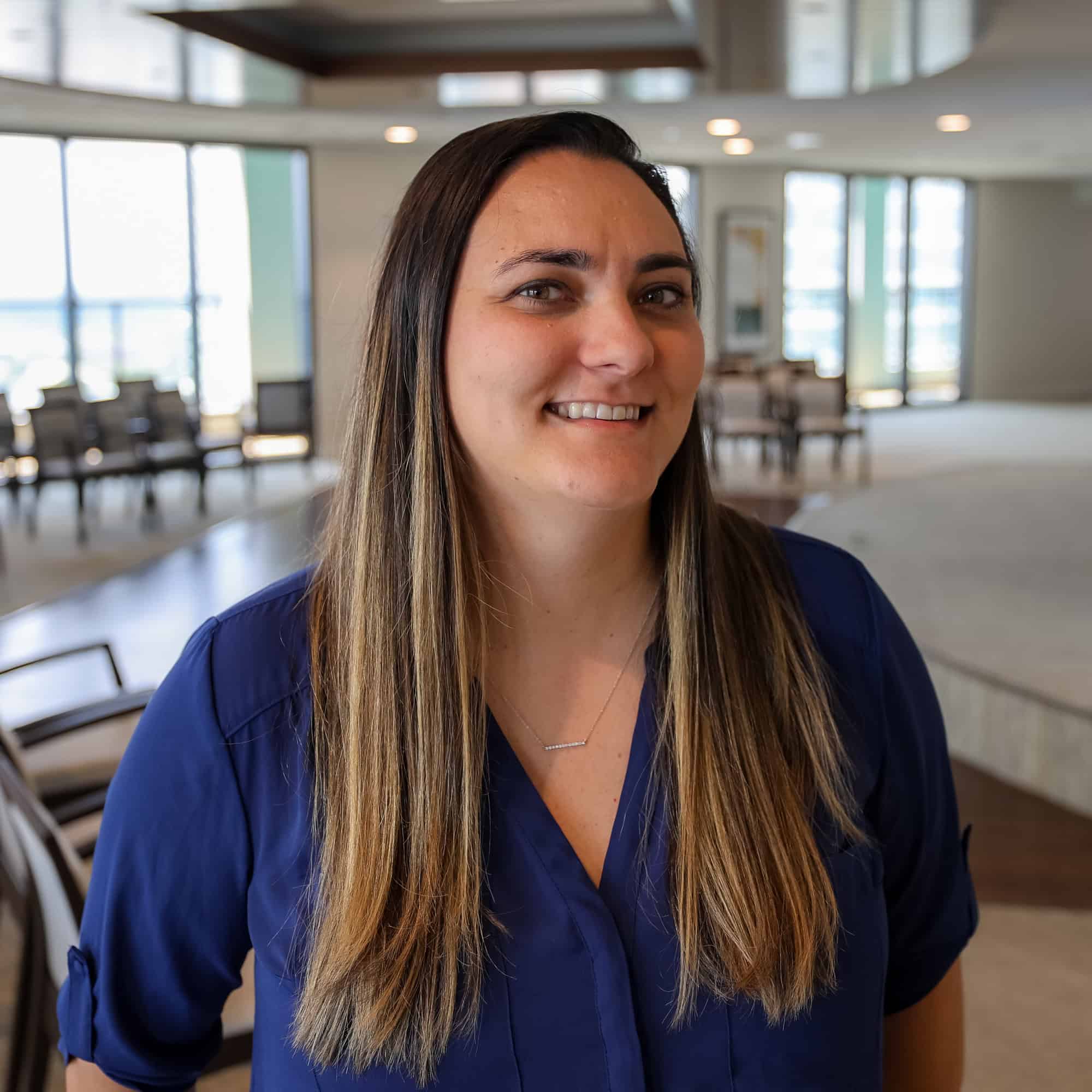
Mandy Sahhar provides experience in digital marketing, event management, and business development. Her background has allowed her to get in on the ground floor of marketing efforts including website design, content marketing, and trade show planning. Through her modern approach, she focuses on bringing businesses into the new digital age of marketing through unique approaches and focused content creation. With a passion for communications, she can bring a fresh perspective to an ever-changing industry. Mandy has an MBA with a marketing concentration from Canisius College.
Lorem ipsum dolor sit amet, consectetur adipiscing elit. Ut elit tellus, luctus nec ullamcorper mattis, pulvinar dapibus leo.